Source Skin Revitalizer Essential Oil for Hair, Face, and Body
Find 30 skin revitalizer essential oil options from Chinese manufacturers. Compare formulations for dry skin, hair care, and body treatments. View specifications, certifications, and packaging details to identify suitable suppliers for your business needs; compare the available evidence and request quotations based on your requirements.
Key considerations
Products List




Comprehensive Sourcing Guide
Skin Revitalizer Essential Oil Sourcing Guide
Procuring skin revitalizer essential oils requires distinguishing between pure botanical extracts and compound formulations designed for specific cosmetic outcomes. The market offers products derived from diverse raw materials, including seeds and flowers, which dictate the final chemical profile and therapeutic efficacy. Buyers must verify whether the supply chain provides single-ingredient oils or complex blends tailored for dry skin types and broader revitalization needs.
Selection criteria should prioritize the physical appearance and odor profile to ensure the oil matches the intended application in health care or food-grade cosmetic products. Observations indicate that viable options often present as light yellow oils with a sweet, strongly herbal smell, signaling high-quality extraction methods. Sourcing decisions must align with the specific functional requirements, such as anti-aging or firming, while confirming the product grade meets industry standards for direct cosmetic use.
Product Scope and Observed Listing Signals
The available product range spans various forms, from pure essential oils to compound blends, each serving distinct revitalization functions. Listings frequently highlight features like anti-puffiness, dark circle reduction, and acne treatment, indicating a broad scope of cosmetic applications. Buyers should note that some products are explicitly formulated for hair or body use, while others target facial revitalization with specific claims regarding wrinkle reduction and skin firming.
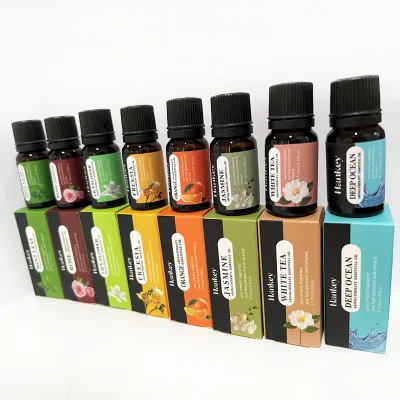
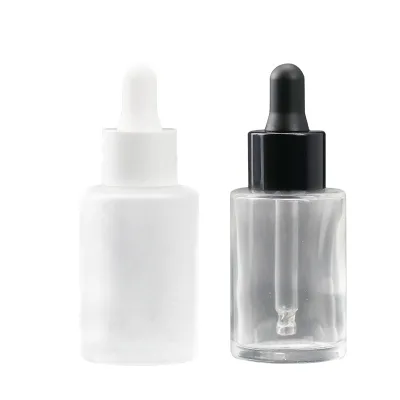
Packaging and model specifications vary significantly, ranging from small 30ml private-label containers to bulk 25kg drums for industrial formulation. The observed listing signals include diverse model identifiers and standard volumes, suggesting a flexible supply chain capable of supporting both small-batch private labeling and large-scale OEM production. Understanding these variations is critical for matching inventory needs with specific market segments, whether for retail beauty products or professional spa treatments.
Technical Specifications to Verify
Technical verification begins with the raw material source, as the distinction between seed-derived and flower-derived oils impacts the final scent and potency. Buyers must confirm the extraction method used, ensuring it aligns with the desired purity level, such as pure grade or perfume grade separation. The physical form, typically observed as an oil, requires validation of its appearance and odor consistency to guarantee it meets the sensory expectations of end-users.
Functional attributes like skin revitalization and anti-aging capabilities must be backed by specific ingredient lists, such as rose or lavender, rather than generic claims. The product model and standard volume, ranging from 50ml to 250ml, serve as key identifiers for quality control and batch consistency. Procurement teams should demand detailed specifications on the grade separation to ensure the oil is suitable for its intended cosmetic application without compromising safety or efficacy.
Compliance and Safety Documentation
Safety and regulatory compliance are paramount when sourcing essential oils for skin revitalization, particularly given the direct contact with human tissue. Documentation must include comprehensive safety data sheets (MSDS) and certificates of analysis that verify the product meets international safety standards. Buyers should look for certifications such as ISO, GMP, and CE, which indicate adherence to rigorous manufacturing and quality management protocols.
Additional regulatory markers like Kosher and Halal certifications may be required depending on the target market demographics and specific product positioning. The presence of SGS testing results further validates the purity and absence of contaminants, ensuring the oil is safe for use in health care and cosmetic products. Procurement contracts should explicitly require these documents to be provided with every shipment to maintain continuous compliance and mitigate liability risks.
Cost Drivers and Commercial Terms
Pricing in this sector is influenced by the complexity of the extraction process, the rarity of the raw materials, and the specific grade of the final oil. The observed price range reflects the diversity of products, from basic bulk oils to specialized, high-purity formulations with extensive testing. Buyers must evaluate the cost per unit against the required volume, as smaller packaging often carries a higher per-milliliter cost compared to bulk drum purchases.
Commercial terms regarding minimum order quantities (MOQ) and customization options significantly impact the total cost of ownership. While some suppliers offer low MOQs for testing, larger orders often unlock better pricing tiers and flexible packaging solutions. The availability of OEM/ODM services allows for tailored branding but may introduce additional costs for mold development and label design, which must be factored into the overall budget.
Supplier Qualification and Quality Control
Supplier qualification relies heavily on verifying their place of origin and the robustness of their quality control systems. Many suppliers operate from regions like Shaanxi, China, where specific botanical resources are abundant, but buyers must confirm the facility's adherence to Good Manufacturing Practices (GMP). The ability to provide consistent product models and standards across batches is a key indicator of a reliable manufacturing partner.
Quality control protocols should include specific test methods like HPLC to verify chemical composition and potency. Buyers should assess the supplier's capacity for customization, including private labeling and specific packaging requirements, to ensure they can meet unique market demands. Establishing a clear communication channel for addressing quality deviations and ensuring storage conditions remain cool and dry is essential for maintaining product integrity throughout the supply chain.
Long-Term Procurement Checks
Sustaining a successful supply relationship requires regular audits of the supplier's ability to maintain product consistency and compliance over time. Buyers should implement a schedule for re-verifying certifications and test results, ensuring that the raw materials and extraction methods have not changed without notification. Continuous monitoring of the product's appearance and odor is necessary to detect any subtle shifts in quality that could affect end-user satisfaction.
Long-term procurement strategies must also account for the scalability of the supply chain to meet fluctuating market demands. Evaluating the supplier's lead times and storage capabilities ensures that inventory levels can be maintained without risking product degradation. Regular reviews of the supplier's customization capabilities will help adapt to evolving consumer preferences and regulatory changes in the cosmetic and health care industries.
FAQs
What is the primary function of this skin revitalizer essential oil?
The primary function is skin revitalization for dry skin types. This compound essential oil features anti-aging, firming, and acne treatment properties. It is suitable for body and hair applications while maintaining a sweet and strongly herbal smell.
Which certifications does the product hold for safety and quality?
The product holds ISO, Kosher, Halal, GMP, and SGS certifications. These credentials ensure compliance with international standards for food and cosmetic grades. The manufacturer also provides MSDS documentation to verify safety and handling requirements for all batches.
How is the essential oil extracted and what is its appearance?
The oil is extracted from seeds or flowers depending on the specific variant. It appears as a light yellow oil with a sweet and strongly herbal smell. The extraction method ensures a pure grade suitable for various cosmetic and health care applications.
Can buyers request custom packaging and what are the standard options?
Yes, customization is available for private packaging needs. Standard options include 1kg bags or 20 to 25kg drums. Smaller retail sizes like 30ml, 50ml, and 120ml are also available for specific market requirements and consumer preferences.
What is the minimum order quantity for purchasing this essential oil?
The minimum order quantity starts at 1kg for most bulk transactions. However, specific retail models may have different thresholds. Buyers should verify the exact MOQ based on the selected product model and packaging configuration before placing an order.
Where is the product manufactured and how should it be stored?
The product originates from Shaanxi, China. It must be stored in a cool, dry place to maintain quality and efficacy. This storage condition helps preserve the chemical stability of the essential oil and prevents degradation over time.
What testing methods are used to verify the product quality?
High-performance liquid chromatography, known as HPLC, is the primary test method used. This technique ensures the purity and concentration of active ingredients meet the specified standards. Regular testing guarantees consistent quality across all production batches.